
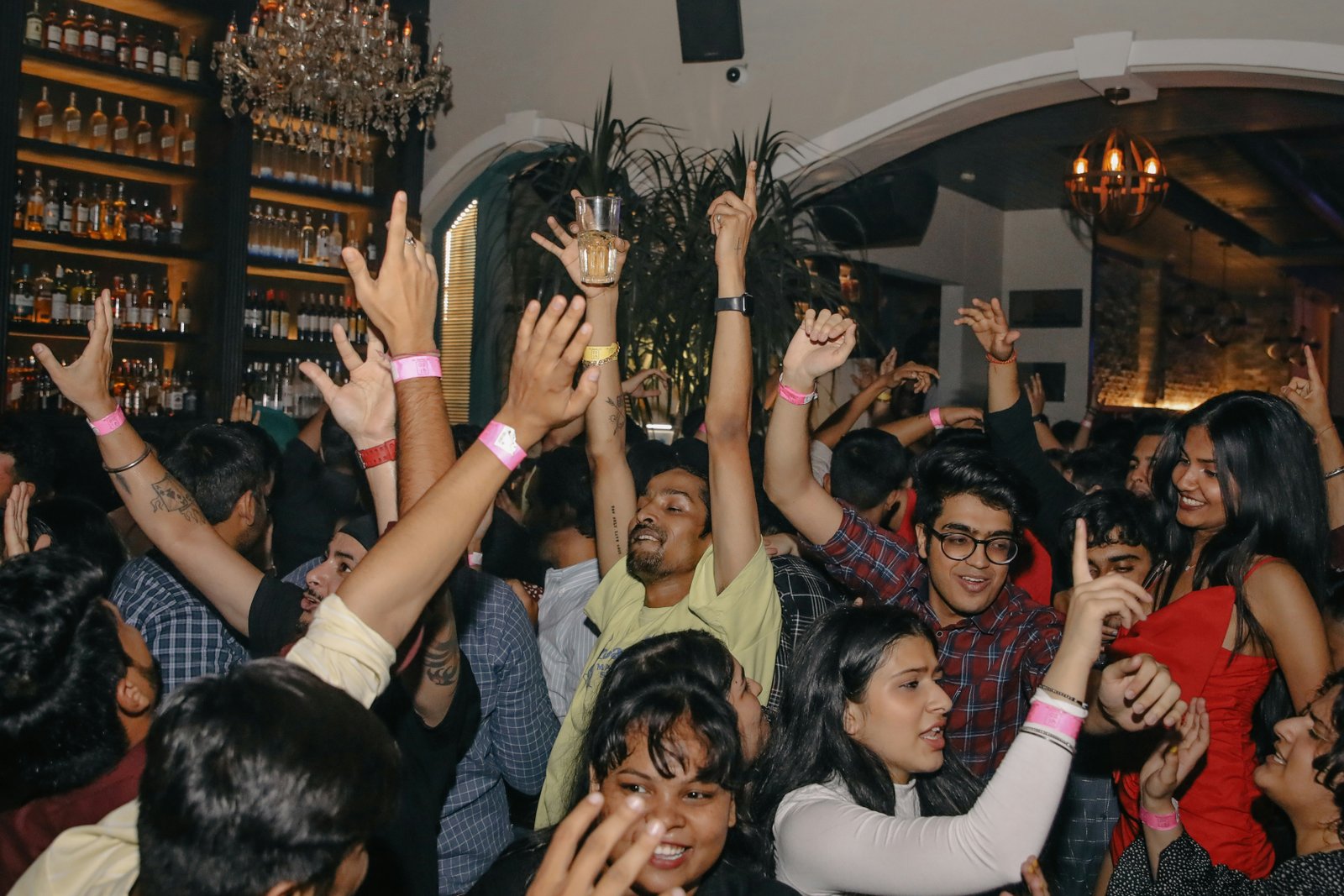
Hosting a house party sounds simple until you actually try to pull one off. The difference between a night people forget and one they keep talking about for months usually comes down to small decisions that most hosts overlook. Not money. Not even space. Just intent, flow, and a bit of smart planning.
If you get those right, even a 1BHK in Mumbai can feel like the best venue in the city.
Let’s walk through how to actually make that happen.
Start with the vibe, not the checklist
Most people begin with food or guest lists. That’s backwards.
Every great house party has a clear personality. Is it a chill catch up with music in the background? A high energy dance night? A themed night with games and chaos built in?
Once you decide that, everything else becomes easier. Your playlist, lighting, food, even how people move inside your space all align with that one decision.
For example, a relaxed terrace hangout with 12 people needs soft lighting, slower music, and food that doesn’t interrupt conversations. A high energy birthday with 25 people needs movement, louder sound, and quick snacks people can grab without thinking.
Without this clarity, parties feel confusing. Guests don’t know how to behave, and energy drops fast.
Guest list is strategy, not just invites
A common mistake is inviting people in batches without thinking about group dynamics.
You don’t need more people. You need the right mix.
A strong house party usually has:
- A few highly social people who naturally drive conversations
- Some close friends who anchor comfort
- A couple of new faces to keep things interesting
In a typical home setup:
- 10 to 15 people feels intimate and controlled
- 15 to 25 is lively but manageable
- Beyond 30, your house stops being a house party and starts feeling like an unmanaged event
Also, stagger arrivals slightly. If everyone walks in at the same time, the energy spikes early and crashes faster.
Set up your space like it’s a mini venue
You don’t need a big house. You need intentional zones.
Think in terms of movement:
- One area for sitting and talking
- One for food and drinks
- One open space where people can stand, dance, or just gather
Lighting changes everything. Warm lights, lamps, or even basic LED strips instantly make a place feel more premium. Harsh white tube lights kill the vibe faster than bad music.
Budget-wise, this part is surprisingly affordable:
- LED strips or bulbs: ₹500 to ₹1500
- Disposable aesthetic decor: ₹800 to ₹2000
- Basic speaker setup (if you don’t already have one): ₹2000 to ₹5000
You don’t need Pinterest-level decoration. You just need to avoid making your place feel like a regular weekday living room.
Food and drinks that don’t interrupt the party
The goal is simple. No one should have to “pause” the party to eat.
Finger food wins every time.
Think:
- Sliders, sandwiches, fries, momos
- Chips and dips
- Pizza over full meals
In Mumbai, a practical food budget looks like:
- ₹300 to ₹600 per person for snacks
- ₹800 to ₹1500 per person if you include alcohol
A mistake people make is over-ordering heavy food. It slows everything down. Keep it light and continuous instead of one big serving.
Also, always overestimate drinks slightly. Running out mid-party kills momentum.
Music is 70 percent of your party
You can get everything else right, but if the music is off, people feel it immediately.
A pre-made playlist works if the vibe is chill. But if your party is meant to build energy, you need someone actively controlling the music.
This is where things start getting interesting.
Even at house party level, bringing in a beginner DJ or a live performer changes the entire dynamic. Suddenly, your party feels curated instead of random.
You don’t need a club-level setup. Even a basic DJ with a controller and speaker can transform the night.
Typical costs in India:
- Beginner or upcoming DJ: ₹5000 to ₹10000
- Semi-professional DJ: ₹12000 to ₹25000
- Solo singer or acoustic performer: ₹8000 to ₹20000
What you’re really paying for isn’t just music. It’s energy control. Someone who knows when to lift the room and when to slow it down.
And guests notice this instantly. The party feels more “put together” without you running around fixing things.
Games that actually work for adults
Most party games fail because they feel forced or childish. The trick is choosing games that blend into conversations and alcohol, not interrupt them.
A few that consistently work:
1. Truth or Drink
Simple, chaotic, and always gets people talking. Works best once everyone is slightly relaxed.
2. Cards Against Humanity (or similar desi versions)
Perfect for mixed groups. Easy to start, no long instructions.
3. “Most Likely To” rounds
Low effort, high engagement. Just ask questions and let people vote.
4. Music-based games
Guess the song, finish the lyrics, or even impromptu dance-offs. These work especially well if your music setup is strong.
Avoid anything that requires too many rules or setup time. If it takes more than 2 minutes to explain, people will lose interest.
The underrated role of a host
You don’t need to “manage” the party, but you do need to guide its flow.
Your job is to:
- Introduce people who don’t know each other
- Notice when energy dips and shift things (music, games, food)
- Keep things moving without making it obvious
The best hosts are invisible. Everything just feels smooth.
When you want to take it up a notch
There’s a point where a house party starts feeling repetitive. Same playlist, same conversations, same structure.
That’s usually when adding a live element changes everything.
A singer performing a few acoustic sets, a DJ who can read the room, or even a small percussion act can elevate the entire experience without turning it into a full scale event.
And this doesn’t have to be expensive if you plan smartly.
For example:
- Split a ₹12000 DJ across 12 people and it’s ₹1000 each
- A live singer for ₹15000 at a birthday suddenly feels like a premium experience rather than a cost
More importantly, it creates moments. The kind people record, share, and remember.
Budgeting the entire night realistically
For a solid house party of 15 to 20 people in Mumbai:
- Food: ₹6000 to ₹12000
- Drinks: ₹10000 to ₹25000
- Decor and lighting: ₹1500 to ₹4000
- Music setup or artist: ₹0 to ₹20000
So overall:
- Basic but great party: ₹15,000 to ₹25,000
- Premium house party experience: ₹30,000 to ₹60,000
The key is not spending more. It’s spending correctly.
What people actually remember
Not the food. Not the decor.
They remember how the night felt.
Did conversations flow easily?
Did the music keep them there longer than planned?
Did something unexpected happen that made the night stand out?
That’s what turns a house party into a story people tell later.
If you focus on that, everything else becomes a tool, not a stress point.
And once you get it right once, hosting stops feeling like effort and starts feeling like your thing.